Rockstar Games is no stranger to controversy. From Grand Theft Auto to Bully, the studio has pushed boundaries with narrative and tone. But Manhunt? That’s a different beast altogether — a game that doesn’t just flirt with darkness… it embraces it wholeheartedly.
A Story That Feels Like a Nightmare
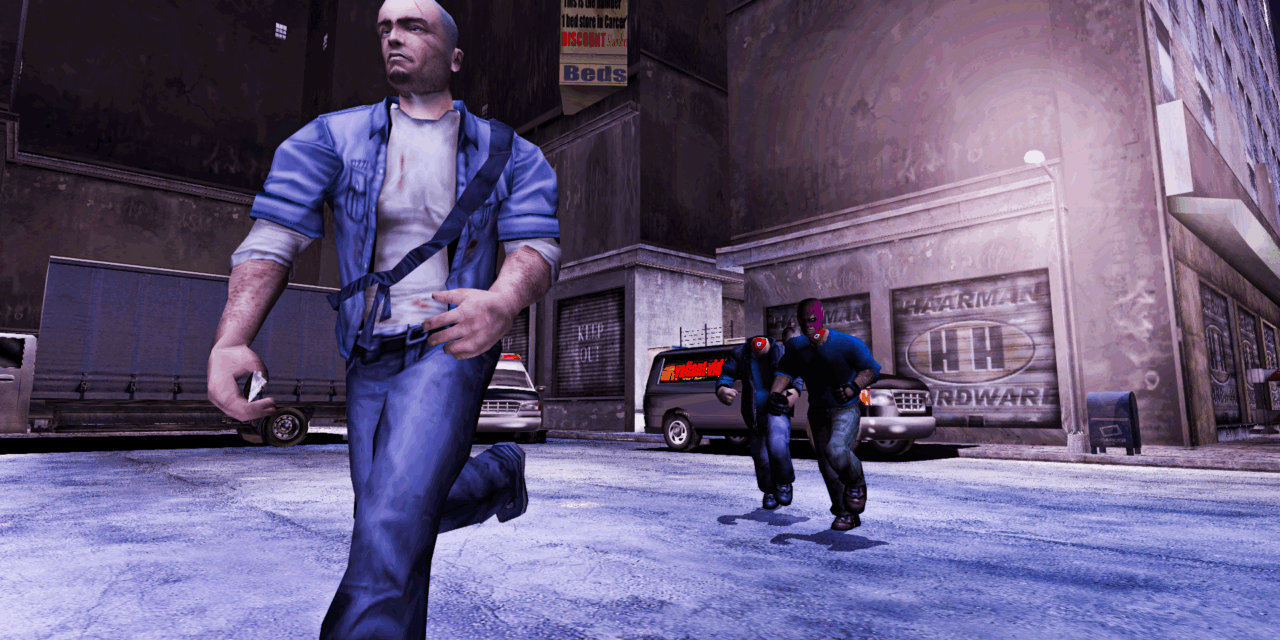
In Manhunt, you step into the worn shoes of James Earl Cash, a death-row inmate who is “executed” only to wake up in a living hell orchestrated by a mysterious figure known as The Director. Cash is essentially forced back into life — but only to star in snuff-style films, hunting and killing gangs sent to track him in front of rolling cameras.
Gameplay — Stealth, Tension, and Gut-Wrenching Decision Making
At its core, Manhunt blends stealth action with survival horror. While other Rockstar titles gave players sprawling worlds and choice-driven narratives, Manhunt is linear, guided, and deeply personal in how it forces you to survive.
The game’s mechanics revolve around:
-
Shadow-based stealth: Hide, sneak, and wait. Staying in darkness isn’t just a tactic — it’s often your only way forward.
-
Execution system: Approach enemies from behind and perform executions that range from hasty strikes to gruesome, drawn-out kills — the more brutal the execution, the higher your level of completion for that scene.
-
Environmental interaction: Throw bricks, knock cans — even make noise with your own voice (with microphone support on older consoles!) to distract enemies and create openings.
These systems build tension rather than grant power, keeping the experience oppressive and fraught with danger at every corner.
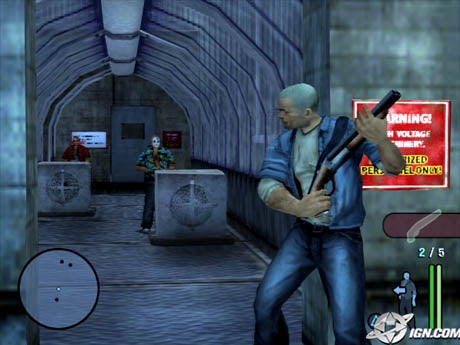
Graphics & Atmosphere — Grit Where It Hurts
Released in 2003 on PlayStation 2 and later to PC and Xbox, Manhunt wasn’t about shiny vistas or widescreen spectacle. Its world is grim, dilapidated, and oppressive — Carcer City feels like decay made real.
The aesthetic reinforces the theme: you’re not a hero — you’re prey, and every shadow, echo, and silhouette feels loaded with menace. The sound design is just as crucial — ambient noise, distant screams, and metallic clinks amplify the dread lurking behind every turn. This is not a casual stroll through violence; it’s an immersion into fear itself.
Controversy — The Game That Shocked the World
No review of Manhunt would be complete without acknowledging the storm it caused:
-
Graphic violence drew ire from critics, politicians, and media alike.
-
The game was banned in some countries and restricted heavily in others.
-
It was even implicated in real-world events — though links to actual violence were later disputed.
This isn’t shocking for controversy’s sake — Manhunt used its hyper-violent content to make players feel something visceral about the toll of violence. That weight is part of why it’s still discussed decades later.
Critical Reception — A Cult Classic with Sharp Edges
Judging by critics and players alike, Manhunt remains divisive:
-
GameSpot gave it strong marks for its boldness and tense gameplay.
-
Steam reviews remain mostly positive in recent years, even as opinions vary widely.
Fans often call it a cult classic — not for everyone, and certainly not for the faint-hearted, but unforgettable in its audacity.
Final Verdict — Not Just a Game, an Experience
Manhunt isn’t meant to be comfortable. It’s a relentless, disturbing journey into the psyche of violence and exploitation. Whether you see it as dark artistry or gratuitous shock value depends on your tolerance for mature themes — but there’s no denying it made an impact.